Turning X into a Learning Engine (Not a Doomscroll Machine)
Turning X into a Learning Engine (Not a Doomscroll Machine)
64% of Americans describe themselves as doomscrollers. 81% of Gen Z does. And the average American spends 3.5 hours doomscrolling during the workweek,costing employers an estimated $5,600 per employee annually.
But X can be one of the most powerful learning tools available. Research confirms it as an effective learning environment, particularly for professional development and staying current in fast-moving fields.
The difference between a time sink and a learning engine isn't the platform,it's how you use it.
Why X Works for Learning
X has unique advantages as a learning tool that other platforms don't match.
Real-time knowledge: While books take years to write and publish, experts share insights on X the moment they have them. In fast-moving fields like AI, this speed matters.
Direct access to experts: Where else can you read the unfiltered thoughts of industry leaders, ask them questions, and get responses? Rand Fishkin sends 40+ educational tweets per week. Naval Ravikant shares philosophy in 280-character insights. This access didn't exist a decade ago.
Community intelligence: The #EdChat community has been running since 2009, connecting educators globally. The German #twitterlehrerzimmer became a significant professional learning network. 70,000 people join new communities daily. These aren't passive audiences,they're active learning environments.
Curated information density: A well-curated feed delivers more relevant insights per minute than most formal learning channels.
The Doomscrolling Problem
Before building a learning system, understand what you're working against.
Doomscrolling isn't a character flaw,it's a design feature. Platforms optimize for engagement, and negative, fear-inducing content is engaging. Your brain releases dopamine for novel information, especially threatening information.
The impact is measurable:
Non-doomscrollers are 19% more likely to be satisfied with their overall life, 45% more likely to be satisfied with their mental health, and 37% more likely to be satisfied with sleep quality.
Rapid information intake leads to only superficial engagement with content. Doomscrolling fragments attention and reduces your ability to focus continuously. Students using social media while studying don't do well in school.
The distinction that matters: intent, emotional state, and level of control.
Intentional learning means purposeful engagement with educational content. Doomscrolling means passive consumption without control or emotional benefit. Same platform, opposite outcomes.
Setting Up Your Learning Infrastructure
Transform X from passive consumption to active learning with structure.
Create Learning-Focused Lists
You can create up to 1,000 lists with 5,000 members each. Use them.
Essential learning lists:
Industry Experts: The top 20-30 thought leaders in your field. Check this list when you want to learn, not when you're bored.
Emerging Voices: Newer accounts sharing fresh perspectives. Often more accessible for engagement than established names.
Topic-Specific Collections: Create separate lists for specific interests,"AI Research," "Marketing Strategy," "Product Development."
Make learning lists private. This removes social pressure and keeps them focused on your actual learning goals.
Follow Topics Strategically
X's Topics feature curates content around specific interests. Go to Settings > Privacy and Safety > Content You See > Topics, then follow topics aligned with your learning goals.
This trains the algorithm to surface relevant content without following hundreds of individual accounts.
Identify Your Thought Leaders
Find 5-10 experts per area of interest. Quality matters more than quantity.
In AI/Tech: Andrew Ng shares data-centric AI development insights. Jeremy Howard champions accessible, practical AI education. Fei-Fei Li leads human-centered AI research.
In Marketing: Rand Fishkin provides SEO and content strategy with a 66% read rate on his tweets.
In your specific field: Look for people who share original insights, not just links. People who engage with their community. People whose content makes you think.
Training the Algorithm
The algorithm learns from your behavior. Teach it well, and it becomes your learning assistant.
How the Algorithm Learns
X's recommendation system uses a Grok-based transformer (Phoenix) with a two-stage pipeline: retrieval and ranking. It optimizes for meaningful engagement and evaluates posts independently before scoring them for your feed.
What signals matter most:
The algorithm tracks confirmed engagement signals including favorites, replies, retweets, quotes, shares, profile clicks, video completion (VQV), dwell time, and follow actions. It also monitors negative signals like "not interested," blocks, mutes, and reports. While exact weights aren't publicly disclosed, dwell time and meaningful engagement are clearly prioritized over passive actions like quick likes.
Dwell time signals genuine interest. Quick likes signal casual approval. The algorithm knows the difference.
Active Training Techniques
Spend time on valuable content. When you find a thread worth reading, read it slowly. Don't rush through educational content,let your dwell time signal interest.
Engage with learning content. Reply to insights with your own perspective. Quote tweet with added context. The algorithm learns from your engagement patterns.
Use "Not Interested" liberally. When off-topic or low-value content appears, tell the algorithm. It listens.
Give direct commands. X's Grok AI layer now respects direct instructions about content preferences.
Choose Your Feed Intentionally
Following Tab: Chronological tweets from accounts you follow. Best for focused learning sessions.
For You Tab: Algorithm-driven content including accounts you don't follow. Better for discovery, but requires stronger boundaries.
Explore Tab: Trending content and breaking news. Use sparingly for learning.
Capturing Knowledge
Scrolling without capturing is entertainment, not learning. Build systems to retain what you find.
Use Bookmarks Systematically
The bookmark feature is completely private,only you can see what you've saved. You can save up to 1,000 bookmarks on standard accounts, with unlimited folders for Premium subscribers.
Create category-based folders:
- "To Read" for content requiring deeper attention
- "Ideas" for creative inspiration
- "Research" for work-related insights
- Specific topic folders for ongoing interests
Review regularly. A bookmark you never revisit is a bookmark wasted. Schedule weekly review sessions.
Connect to Your Second Brain
Bookmarks are step one. Long-term learning requires connecting insights to a permanent knowledge system.
The BASB framework (Building A Second Brain): Capture, Organize, Distill, Express. Capture insights from X, organize them by topic, distill them to key takeaways, express them in your own content.
Your toolkit: Use whatever note-taking system works for you. The key is having a reliable place to store insights that you'll actually return to. Notion, Obsidian, or even a simple folder of text files all work. The goal is turning temporary bookmarks into permanent, searchable knowledge.
Engaging for Deeper Learning
Passive consumption has limits. Active engagement accelerates learning.
Participate in Twitter Chats
Scheduled conversations around specific hashtags offer structured learning opportunities.
Educational chats worth joining:
- #EdChat: Twice on Tuesdays, running since 2009
- #EdTechChat: Focused on education technology
- #SatChat: Saturday morning discussions for school leaders
- Subject-specific chats: #sschat for social studies, #musedchat for music education
These chats provide access to collective intelligence. Real solutions, real connections, real learning,if you participate actively.
Ask Questions Directly
Thought leaders are more accessible than you think. Ask specific, thoughtful questions. Engage with their ideas before expecting engagement back.
Don't just read tweets,connect with the community.
Share Your Own Learnings
Teaching reinforces learning. When you share insights, you process them more deeply.
Curated content receives 33% more engagement than created content on social media. Over 50% of marketers who curate content report increased visibility and thought leadership.
Credit original sources. Add your own perspective. Use relevant hashtags. This positions you as a curator and learner, not just a consumer.
Maintaining Balance
Here's the uncomfortable truth: limiting social media to 30 minutes a day can improve mental health. But most people can't stick to that without systems.
Set Time Boundaries
Schedule specific times. Check X at scheduled times rather than letting it fill every quiet moment. Morning for industry news, midday for engagement, evening for casual browsing.
Use app limits. iOS and Android both offer screen time controls. Set them and respect them.
Create friction. Remove X from your home screen. Turn off notifications. The harder it is to open mindlessly, the more intentional your usage becomes.
Monitor Your State
Before opening X, ask: What am I looking for? After 10 minutes, check: How do I feel? If you're anxious, frustrated, or drained, you've shifted from learning to doomscrolling. Learn to avoid burnout while staying consistent.
Intent matters. Emotional state matters. Control matters.
Balance with Offline Learning
X supplements learning,it doesn't replace it. Books, courses, conversations, and hands-on practice remain essential. Use X to stay current and discover new ideas, not as your only learning source.
Your Learning Engine Action Plan
Today:
- Create three learning-focused lists (Experts, Topics, Emerging Voices)
- Set a 30-minute daily limit in your phone settings
- Follow five topics aligned with your learning goals
First week:
- Identify and follow 10-15 thought leaders in your field
- Set up a bookmark organization system
- Find one weekly Twitter chat to participate in
Ongoing:
- Review bookmarks weekly
- Connect insights to your permanent knowledge system
- Monitor your emotional state while using the platform
X can drain your attention, fragment your focus, and leave you worse off than before you opened the app. Or it can connect you with experts, accelerate your learning, and give you an edge in your field.
The platform doesn't decide which one. You do.
Related Articles

Building a Personal Knowledge Base From X
You bookmark an incredible thread on pricing strategy. Three months later you need pricing advice. You can't find the thread. You start from scratch. The average knowledge worker spends 19% of their workweek searching for information. A proper capture system reclaims that time.
8 min read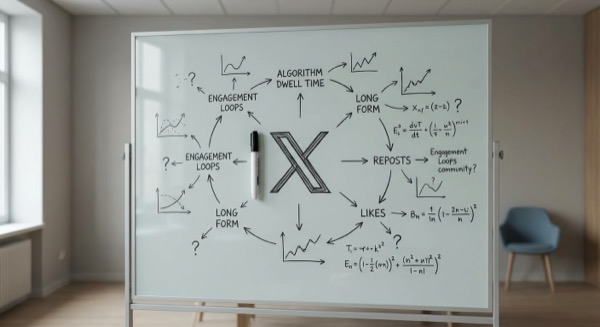
𝕏 Just Open-Sourced Their Algorithm Again: What Changed and What It Means
𝕏 released their full recommendation algorithm source code today. The biggest surprise is that they've thrown out the old system entirely. Here's what the code reveals and what it means for your growth strategy.
7 min read
Content Refresh: Turning Old Posts Into New Wins
Your best old posts are invisible to your new followers. That thread you spent hours crafting three months ago? Your audience has doubled since then, and most of them have never seen it. Content refresh isn't about being lazy. It's about being smart.
8 min readYou've done the learning. Now put it into action.
Witty finds tweets worth replying to and helps you craft responses in seconds. Grow your audience without the grind.
No credit card required.