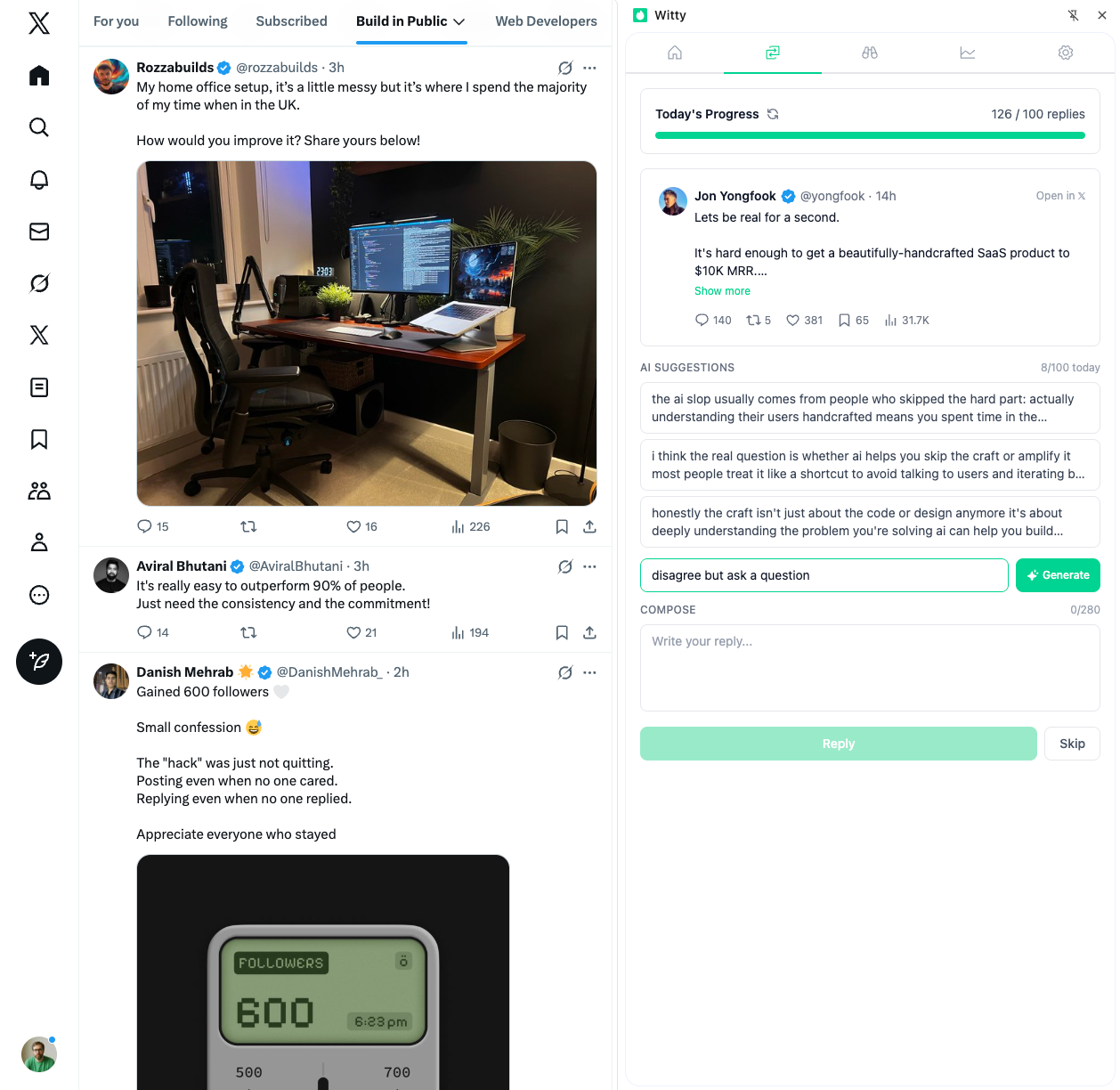
How to Find Micro-Communities on X
How to Find Micro-Communities on X
The era of mass social media is giving way to something more intimate. Digital culture is fragmenting at an unprecedented pace, and micro-communities,small, focused groups gathered around shared interests,are becoming the default.
The opportunity is significant: 98% of users feel a sense of kinship within their small online groups. Average engagement rates in online communities reach 28%, compared to the typical 0.15% on general social media. Communities increase retention by 40%.
The question isn't whether to find your micro-community. It's how to find the right one.
What Makes Micro-Communities Different
Micro-communities are small, highly focused groups that gather around a common purpose, passion, or problem. Unlike the massive, generalist audiences of mainstream social media, they're intimate, interactive, and trust-driven.
These communities share key characteristics: small groups of often 30-100 core members, a shared interest, identity, or challenge, high engagement with real conversations, and trust-based relationships.
On 𝕏, these communities take several forms. Some use the official 𝕏 Communities feature. Others form through hashtag-based conversations like #TechTwitter, #FinTwit, and #WritingCommunity. Twitter Chats bring people together through scheduled conversations around specific hashtags. And thought-leader networks form organically around influential accounts.
Finding Your Communities
Method 1: Search Directly
Use the 𝕏 search bar with keywords related to your interests. The search now includes specific Community results. Try specific terms like "sourdough baking" instead of generic "baking." Use multiple keyword combinations to narrow results. Check the "People" results to find active community members. Browse the "Latest" tab for recent conversations happening right now.
Method 2: Explore the Communities Tab
Navigate to the Communities feature (via "More" on mobile or the sidebar on desktop). The interface shows recommended Communities based on your interests, accounts you follow, and content you engage with.
As of 2025, 70,000 users join new 𝕏 Communities daily. There's likely one waiting for you.
Method 3: Follow the Leaders
Thought leaders naturally become connectors. By following them, you'll discover the communities they participate in, the hashtags they use regularly, the Twitter Chats they host or join, and the discussions they spark. Build watchlists to track these influential voices systematically.
Method 4: Hashtag Mining
Search popular hashtags in your niche:
Technology & Business: #TechTwitter, #StartupTwitter, #DevTwitter, #BuildInPublic Finance: #FinTwit, #CryptoTwitter, #PersonalFinance Creative: #WritingCommunity, #AmWriting, #DesignTwitter
Look for hashtags with active discussions that aren't oversaturated. A niche tag often outperforms a generic one.
Method 5: Cross-Platform Research
Don't rely solely on 𝕏. Cross-reference from Reddit communities in your niche, Discord servers in your field, LinkedIn Groups for professional topics, and newsletter communities. These often have 𝕏 counterparts.
The Art of Joining Well
Finding a community is step one. Joining it well is what determines your success.
Strategic Lurking (7-14 Days)
Research shows 70% of new community joins fail from poor fit. Pre-lurk research significantly improves success rates, and post-lurk joins cut dropout rates by 50%.
While lurking, observe the community tone and communication style. Notice the dominant content formats. Track key topics and recurring themes. Identify unwritten rules and norms. Note who the influential members are. Pay attention to peak activity times.
Don't Lurk Too Long
Set a calendar reminder. Longer lurking increases hesitation by 40% and kills momentum. Two weeks maximum.
Making Your Entry
Start with low-stakes engagement. Like posts that resonate. Retweet with brief comments. Respond to polls or simple questions.
Your first contributions should be replies. Add thoughtful comments to threads and share relevant resources in response to questions. This demonstrates you're listening, not just broadcasting.
Participate in structured activities. Twitter Chats have built-in entry points that make joining natural. Weekly challenges or themed days offer easy ways to contribute. Q&A sessions or Twitter Spaces let you engage in real-time conversation.
Building Relationships Within Communities
Once you're in, relationship-building follows different rules than broadcasting to a general audience.
The 70/30 Rule
Spend 70% of your time engaging with others and only 30% creating new posts. This ratio builds relationships faster than constant self-promotion.
Provide Value First
Share knowledge and answer questions without expecting return. Offer help, not sales pitches. Build trust and goodwill through generosity.
Use 𝕏's search to find people asking questions in your area of expertise. Be genuinely helpful.
Consistency Over Intensity
Research shows 61% of communities report increased engagement when moderators participate daily. Consistent, smaller contributions build reputation better than sporadic intensive activity.
Show up regularly, even if briefly.
Support Others' Success
Celebrate others' wins. Retweet and amplify content from community members. Co-create content when opportunities arise. Invite others to collaborate on projects.
You'll know you've been accepted when others start tagging you in relevant conversations, when your content gets quoted and referenced, and when you're invited to participate in chats or spaces.
Avoiding the Engagement Farming Trap
Engagement farming tactics might produce impressive short-term numbers, but they rarely translate to real relationships or business value.
Focus instead on genuine connections through value-first content. Solve problems or entertain your audience. Build a supportive network where content is naturally shared because people actually want to share it.
The true measure of success has shifted from vanity metrics like follower counts to genuine engagement. Quality communities reward authenticity.
Your Community Action Plan
During week one, focus on discovery. Identify 5-10 potential communities through search and hashtags. Find 3-5 thought leaders in your niche. Add them to a "Community Discovery" list.
In week two, shift to observation. Lurk in 2-3 promising communities. Note tone, topics, and key members. Identify where you could add value.
Week three is about entry. Begin low-stakes engagement. Make thoughtful replies. Participate in any structured activities you find.
By week four, focus on integration. Increase your engagement consistency. Start providing value proactively. Build relationships with key members.
Micro-communities aren't just a growth tactic. They're where the real conversations happen, where genuine relationships form, and where your presence actually matters.
Find yours.
Related Articles

The '15-Minute Daily Loop' for X Growth
30 minutes of focused, strategic activity beats 2 hours of aimless scrolling. This isn't motivational fluff. It's how the math actually works on X. Here's how to make 15 minutes count.
7 min read
Building a Daily Reply Habit That Actually Sticks
The 21-day habit myth came from a plastic surgeon's observations about appearance adjustment, not habit research. Actual formation takes 59-66 days on average. Leaders who started with minimal viable habits were 2.7x more likely to maintain them long-term. Here's how to build a reply habit that survives contact with real life.
8 min read
Building in Public on X: What to Share (and What Not To)
Building in public has become one of the most effective growth strategies on X when done right. Share too little and you're just another account. Share too much and you'll overshare yourself into irrelevance or worse. The trick isn't radical transparency. It's strategic transparency.
7 min readYou've done the learning. Now put it into action.
Witty finds tweets worth replying to and helps you craft responses in seconds. Grow your audience without the grind.
No credit card required.